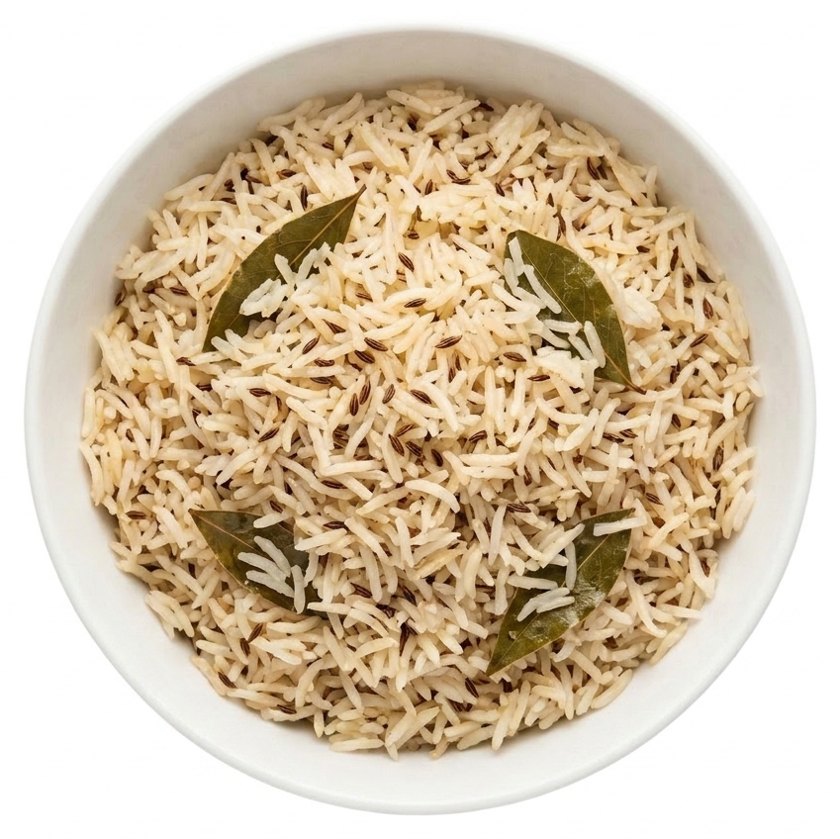
Pilau Rice
A lightly spiced basmati pilau scented with cumin and bay, cooked until the grains are tender and separate. It has a warm, aromatic flavour and a fluffy texture.
Whole spices for the ghee
7 gFried in the hot ghee at the start (step 2)Everything else
Method
- Put 200 g basmati rice in a bowl and rinse under cold running water until the water is clear.
- Cover the rice with warm water and leave for up to 30 minutes, until the grains swell, then drain well.
- Warm 13.2 g ghee in a heavy-based saucepan, add the whole spices for the ghee and fry for about 30 seconds, until they crackle.
- Stir in the drained rice, add 800 ml water and bring to a boil.
- Cover, lower the heat and simmer for 20 minutes, until the rice is tender and no water remains.
- Serve warm.
Don't have something?
 Plain boiled rice
Use 2.5 times the weight if substituting pre-cooked rice. Fold in gently at the end of the recipe; grains will be shorter and less fragrant.


 Unsalted butter
Use 120% of the weight; melt gently over low heat to avoid burning the milk solids, which will yield a softer, creamier richness rather than a nutty aroma.
 Vegetable oil
Use 85% of the weight; holds high cooking temperatures without smoking, but the final dish will lack traditional dairy depth.
 Mustard oil
Use equal weight; heat to smoking point and cool slightly before cooking, bearing in mind it introduces an assertive, pungent edge.


 Ground cumin
Use 70% of the weight; add with ground spices or sauce bases rather than hot oil tempering, where it scorches quickly and turns bitter.
 Black cumin seeds
Use equal weight for oil tempering. Delivers an earthy profile with an additional musky, smoky, and slightly bitter edge.
 Fennel seed
Use 60% of the weight for tempering; offers comparable warm aroma, but leans sweet and liquorice-like rather than savoury and earthy.


 Bay leaf
Use the same number or weight. Ordinary bay is milder and lacks the cinnamon-clove note; add early and remove before serving.
 Cassia bark (Chinese cinnamon)
Use about 1 g cassia for every 2 g Indian bay leaf. It gives a warm cinnamon note but not a true laurel flavour; remove before serving.
- Cinnamon stick
Use a small 1 cm piece for 2 leaves. It adds warm sweetness but not bay flavour; remove before serving.


Similar dishes
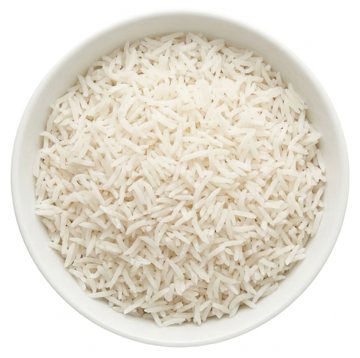
- 相同: Both are basmati rice cooked by absorption until the grains are tender, separate and fluffy.
- 不同: Basic Rice Recipe uses 300 g basmati rice and salt only, while this dish uses 200 g basmati rice with ghee, cumin seed and Indian bay leaf.
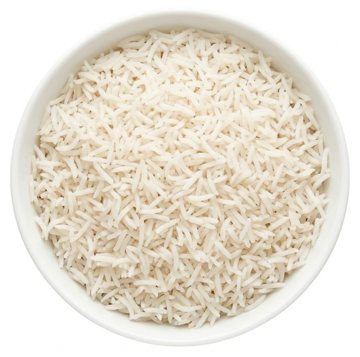
- 相同: Plain Rice shares basmati rice cooked until tender with separate grains.
- 不同: Plain Rice uses only rice, water and salt and is steamed, while this dish adds ghee, cumin seed and Indian bay leaf and is cooked as a pilau.
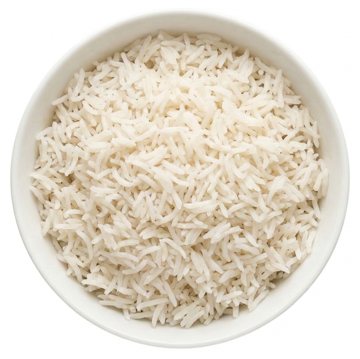
- 相同: Sada Chaawal and this dish both use basmati rice and are cooked to tender, separate, fluffy grains.
- 不同: Sada Chaawal uses vegetable oil and salt only, while this dish uses ghee with cumin seed and Indian bay leaf; neither uses a souring agent, and Sada Chaawal is plain steamed rice rather than a spiced pilau.

- 相同: Khuska and this dish both use basmati rice cooked to tender, separate grains.
- 不同: Khuska has only rice and salt, while this dish adds ghee, cumin seed and Indian bay leaf and is a lightly spiced pilau.